
Date of Job: 18/03/26
Bridgeland
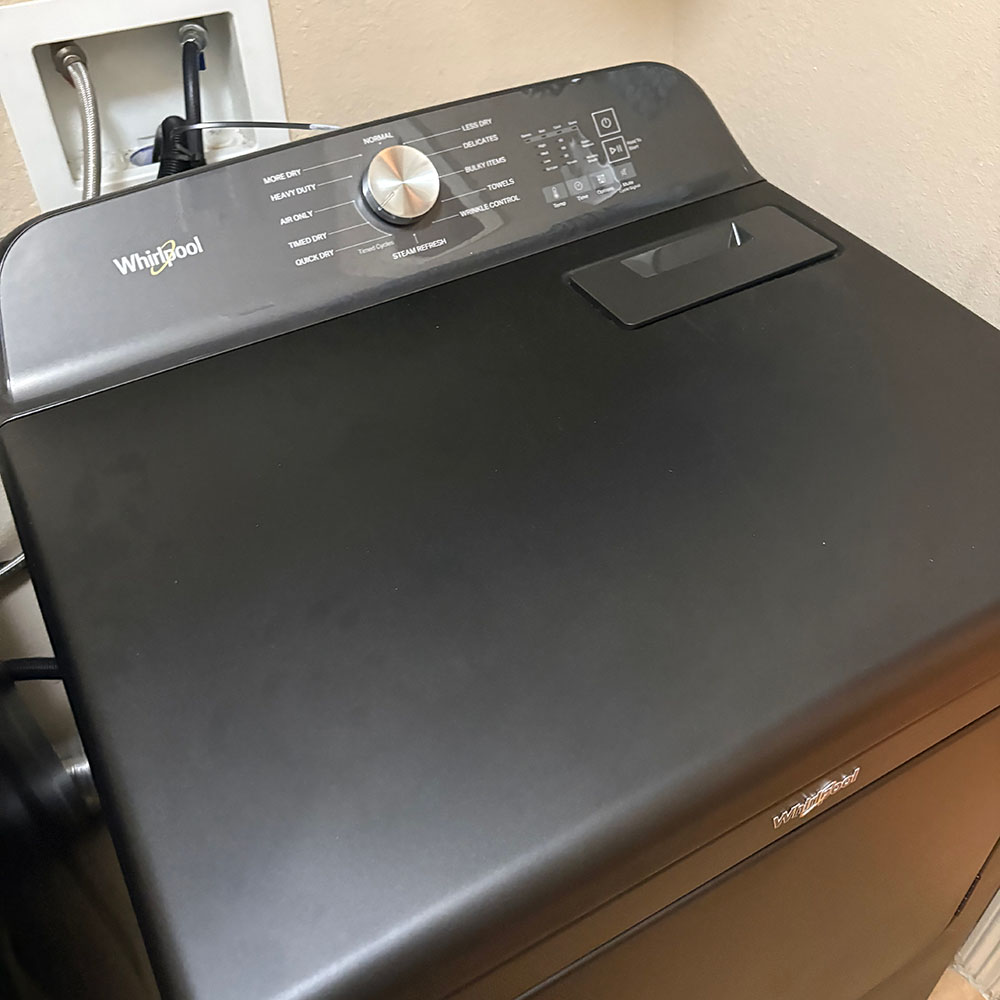
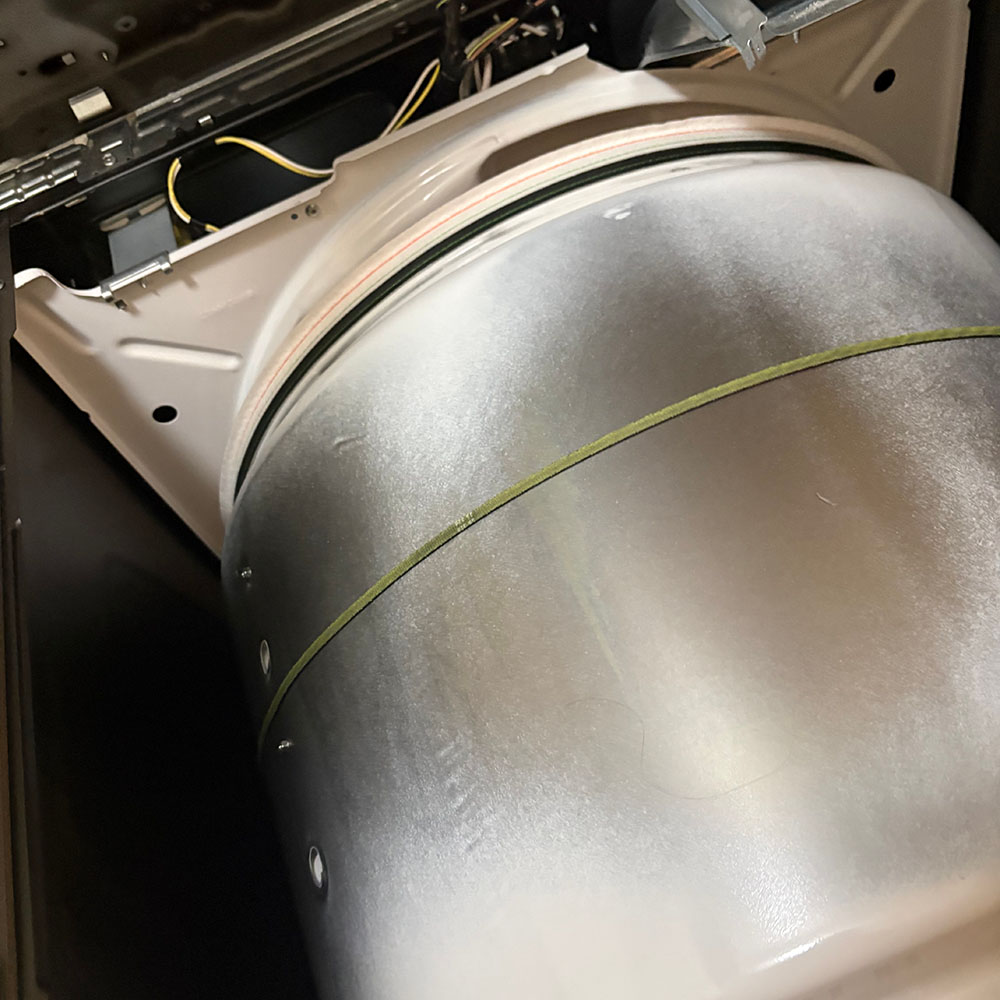
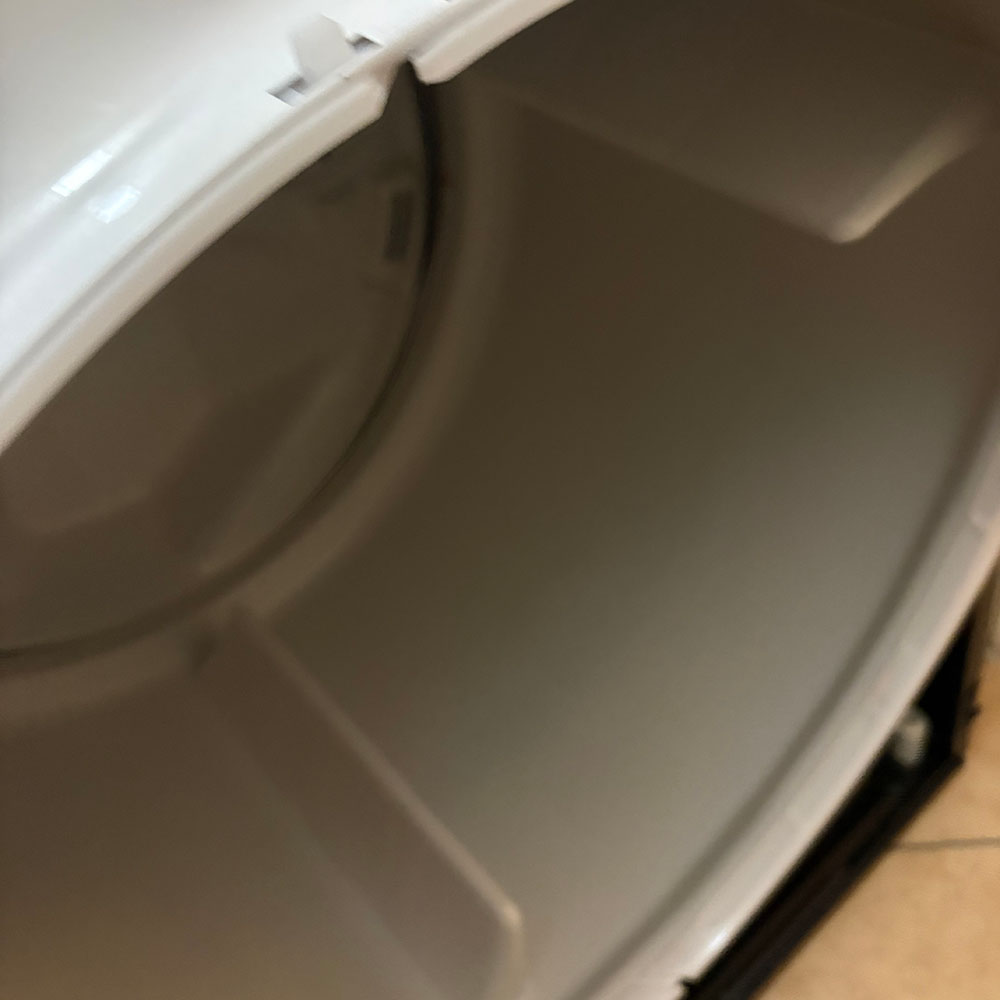
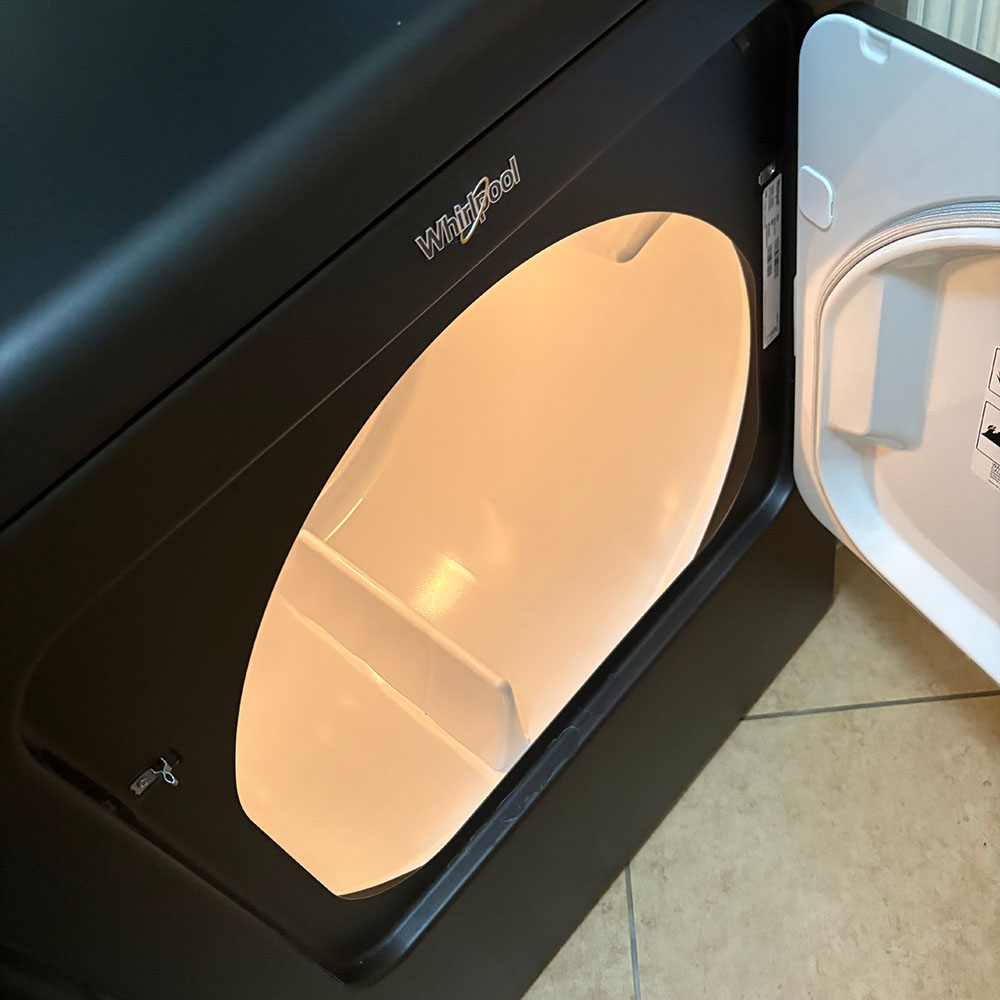
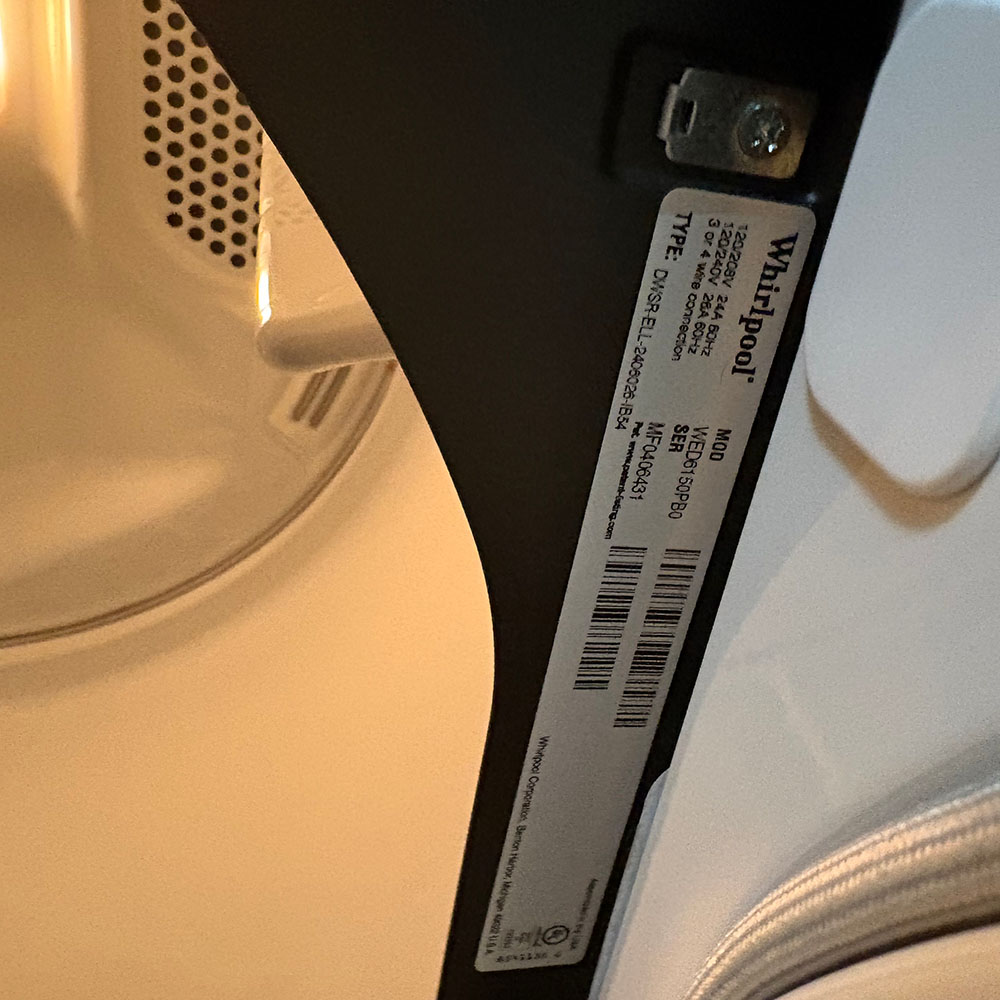
A customer in the Bridgeland neighborhood recently reached out to us after noticing that their Whirlpool dryer was running through full cycles but producing no heat whatsoever. Damp clothes kept coming out just as wet as they went in, and the problem had grown progressively worse over several weeks. Upon arrival, our technician began with a thorough inspection of the unit. The lint screen immediately stood out as the first and most telling sign — lint had packed it so heavily that almost no air could pass through. Even after our technician pulled the screen and cleaned it off, the buildup clearly extended well beyond the trap itself. Next, our technician disconnected the flexible exhaust duct from the back of the dryer. A dense, compacted wall of lint tumbled out — years of use without a deep cleaning had allowed it to accumulate to a remarkable degree. Lint coated the duct walls throughout, severely choking the dryer’s ability to push hot, moist air to the outside. With airflow this restricted, the dryer had repeatedly overheated during cycles. Each time it did, the thermal fuse did its job and cut power to the heating element entirely — which explains why the drum kept spinning normally while generating zero heat. Our technician vacuumed out the lint trap housing, cleared the exhaust duct from end to end, and inspected the exterior vent cap to confirm nothing else blocked airflow. Using a multimeter, the technician tested the thermal fuse, confirmed it had blown, and replaced it with the correct OEM part for the Whirlpool model. Once our technician cleaned and reassembled everything, the dryer fired up and delivered full heating performance. Before leaving, the technician advised the customer to clean the lint screen after every load and to schedule a professional vent cleaning at least once a year to prevent the problem from returning. We handle service calls like this one all the time, and routine maintenance can almost entirely prevent them. If your dryer is taking longer than usual to dry clothes or feels cool during a cycle, don’t wait — lint buildup and restricted airflow will only lead to bigger, more expensive repairs down the road. If you have any issues with any of your home appliances, please contact us.Diagnosing the Dryer